
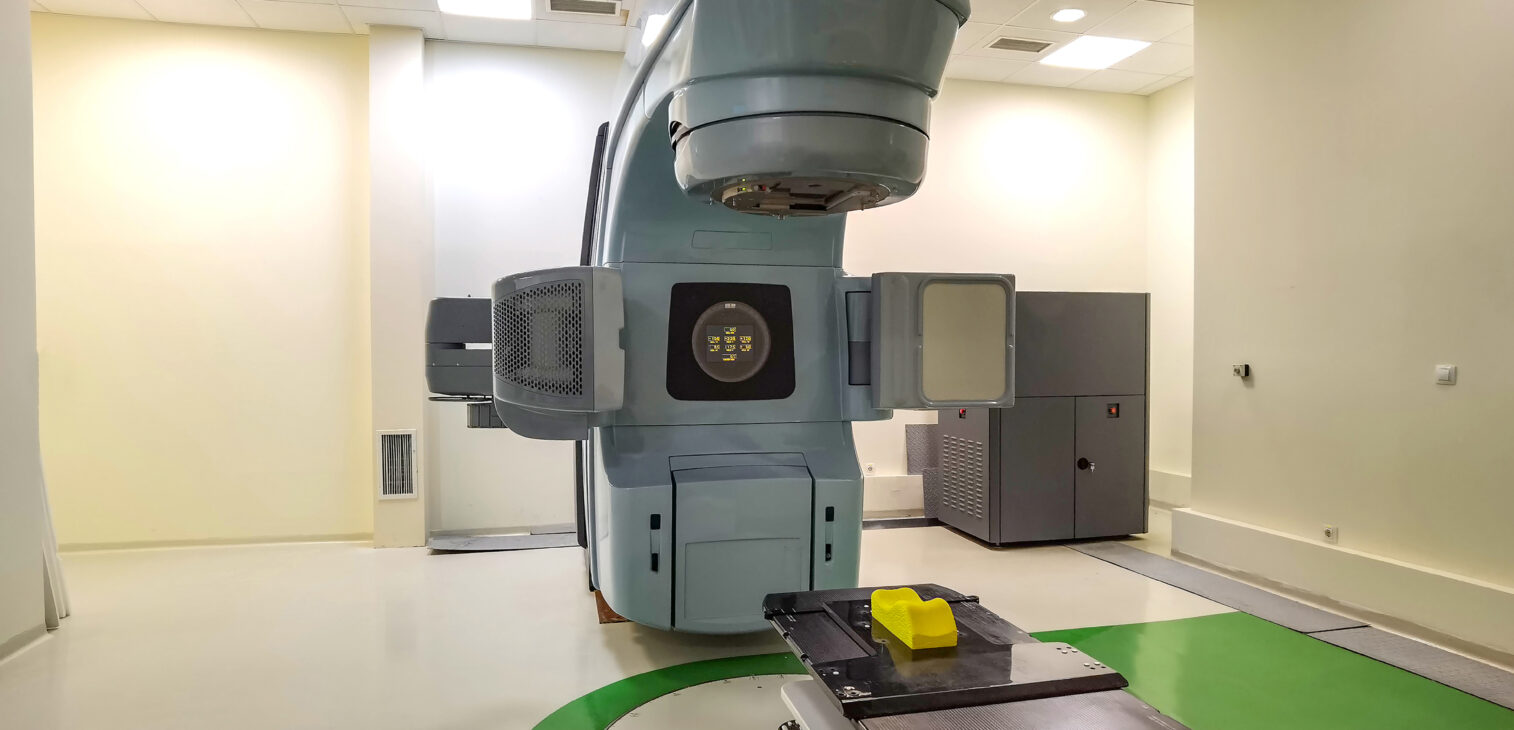
As a UK manufacturer of lead products for medical radiation shielding, Heaps, Arnold & Heaps Ltd supplies lead bricks, anti-scatter rails, lead-lined boards, isotope pots and bespoke lead castings for hospitals, dental practices, radiology departments, radiotherapy bunkers and laboratory radiation protection installations. Manufactured in-house at our Rotherham facility from over 250 years of metallurgical expertise, our medical shielding products meet the exacting demands of diagnostic imaging, radiotherapy, nuclear medicine and laboratory radiation protection.
Our medical shielding range covers four principal product types used across the healthcare and life sciences sector — lead bricks for permanent and modular shielding installations, anti-scatter rails for hospital and dental imaging suites, lead-lined boards for room and partition shielding, and isotope pots for the safe storage and transport of radioactive sources used in nuclear medicine, radiopharmacy and research.
Lead Bricks & Anti-Scatter Rails
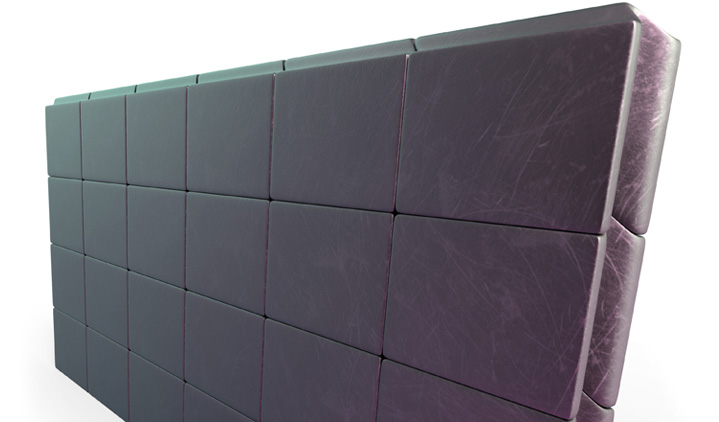
Standard, interlocking and chevron lead bricks for radiotherapy bunkers, CT and MRI suites, X-ray rooms and shielded laboratories.
Lead-Lined Boards
Lead-lined plywood and lead-lined plasterboard for hospital, dental and laboratory partition shielding.
Isotope Pots
Lead isotope pots for the safe storage, transport and disposal of radioactive isotopes used in nuclear medicine, radiopharmacy and research.
Lead Bricks for Medical Radiation Protection
Lead bricks are the foundation of permanent and modular radiation shielding installations across the healthcare sector. Used in radiotherapy bunkers, hospital X-ray rooms, dental imaging suites, CT scanner rooms and research laboratories, our lead bricks provide effective gamma and X-ray attenuation while allowing flexible wall configurations to be built, modified or repositioned as clinical or research facilities evolve.
Our lead bricks are cast at our Rotherham facility from pure lead and are supplied in standard, interlocking and chevron profiles to suit different shielding designs and installation methods.
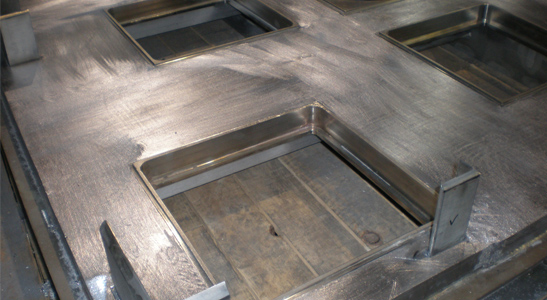
Lead anti-scatter rails are used in hospital and dental imaging facilities to absorb scatter radiation in X-ray suites, CT scanner rooms and angiography installations.
Mounted around door frames, observation windows and at the junction between shielded and unshielded wall sections, anti-scatter rails seal radiation leakage paths that would otherwise compromise the integrity of the shielding installation.
Our anti-scatter rails are cast and machined to project specification, with profiles matched to the wall, door or window frame configuration of your imaging facility.
Lead-lined boards combine a sheet of pure lead bonded to a structural backing — either plywood or plasterboard — providing radiation shielding that can be cut, fixed and finished using standard construction techniques.
Lead-lined boards are widely used in hospital diagnostic suites, dental X-ray rooms, veterinary imaging facilities, laboratory shielding and shielded partition walls where lead bricks would be impractical. Our lead-lined boards are manufactured to your specified lead thickness, board size and backing material.
Standard lead thicknesses match the requirements of common shielding designs, with bespoke combinations produced for specialist applications.
Lead-lined plywood
- Pure lead sheet bonded to plywood backing
- Standard board dimensions to match construction sizes
- Standard and bespoke lead thicknesses
- Suitable for partition walls, doors and ceilings
- Cuts and fixes using standard tools
Lead-lined plasterboard
- Pure lead sheet bonded to plasterboard backing
- Ready for skim plaster finishing
- Standard and bespoke lead thicknesses - Suitable for hospital and laboratory partitions
- Compatible with standard construction methods
Send your lead thickness specification, board size and quantity — bespoke lead-lined boards typically supplied within two to three weeks.
 Lead isotope pots are used for the safe storage, handling, transport and disposal of radioactive isotopes used in nuclear medicine, radiopharmacy and medical research. Manufactured to customer specification, our isotope pots are produced from pure cast lead with internal cavities, lid configurations and external dimensions matched to the specific isotope, source dimensions and shielding requirement.
Why Choose a UK Manufacturer for
Medical Lead Shielding
Material traceability
Every batch carries a certificate of conformity stating alloy composition and source — essential for medical, dental and nuclear installations operating under strict compliance frameworks (IRR17, MHRA, CQC).
Bespoke capability
In-house tooling, casting and machining for one-off shielding components, custom isotope pots and project-specific lead bricks. Drawings or samples accommodated.
Faster lead times
UK manufacturing with stock-held standard items. Bespoke shielding components and lead-lined boards typically supplied within two to three weeks.
Technical Support
Direct access to metallurgical advice on lead thickness, brick profiles and shielding design for medical, dental and laboratory applications.
Bespoke Lead Castings for Medical Radiation Shielding
Lead Shielding Frequently Asked Questions
Why is lead used for radiation shielding?
Lead has a high atomic number (Z=82) and high density (11,340 kg/m³), giving it exceptional ability to absorb gamma rays and X-rays at the energies used in diagnostic imaging, CT, fluoroscopy and radiotherapy. It can be cast, extruded, machined and rolled into the brick, sheet, plate and bespoke forms required for medical shielding installations..
What lead thicknesses do you supply for medical shielding?
We manufacture lead bricks in 10mm, 12mm, 15mm, 20mm, 25mm, 30mm and 50mm thicknesses. Lead sheet for boards is supplied in Code 3 to Code 8. Specific thickness is determined by the imaging modality, peak kV, workload and barrier calculations — typically produced by a Medical Physics Expert or Radiation Protection Adviser.
What's the difference between standard, interlocking and chevron lead bricks?
Standard lead bricks have plain edges and are butt-jointed or layered to build up shielding. Interlocking lead bricks have a tongue-and-groove profile that eliminates straight-line leakage paths between joints. Chevron lead bricks have an angled overlapping profile that maintains shielding integrity at structural connection points. The right choice depends on the dose rate, source geometry and required shielding integrity.
Do you manufacture bespoke isotope pots?
Yes. Every isotope pot we manufacture is made to customer specification. Send us your source dimensions, required lead wall thickness, lid type and external profile, and we'll quote a bespoke design. We supply nuclear medicine departments, radiopharmacy facilities, research laboratories and industrial radiography providers.
Are lead-lined boards easy to install?
Yes. Lead-lined plywood and plasterboard can be cut, fixed and finished using standard construction methods and tools. Lead-lined plasterboard accepts a skim plaster finish for hospital and laboratory partitions, while lead-lined plywood works well for partition walls, doors and ceilings.
Do you manufacture lead shielding to BS3909?
Yes. Our lead shielding is manufactured to BS3909 grades 1, 2 or 3 as required. Every batch carries a certificate of conformity stating alloy composition and source. This traceability is essential for medical and laboratory installations operating under IRR17 and CQC compliance.
How do I request a quote?
Visit the relevant product page to build a quotation, email us with your specification, or call our sales office on +44 (0)1709 837669. Our team responds within one working day with availability, pricing and lead time. For bespoke shielding components, isotope pots or non-standard lead-lined boards, please include drawings, dimensions or shielding specifications where available.
Industries We Supply
Our Lead Shielding Products Are Used Across Hospitals, Laboratories, Nuclear Installations and Industrial Radiography Applications


Lead and lead alloy products supporting the UK nuclear sector

Lead solders, lead wire and bespoke lead components for automotive restoration and specialist engineering applications.
